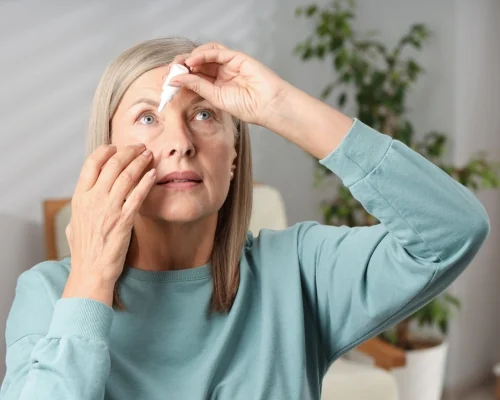
Dry eye syndrome is an umbrella term that encompasses evaporative dry eye (most common) and tear deficient dry eye. Most people experience dry eye as intermittent blurry vision that can feel as though there’s a film over the eyes. Symptoms included irritation, burning, redness and watery eyes (yes, watery eyes are a symptom of dryness). We provide affordable dry eye specific care utilizing the latest medical literature along with medical therapy, punctal plugs and nulids to name a few treatment options.
Symptoms May Include:
Itchy or scratchy eyes
Tired eyes
Red eyes
Blurry vision
Gritty or foreign body sensation
Stringy discharge
Sensitivity to light
Watery eyes
How we can help
At Gateway Eye Care, we understand that dry eye disease can impact your comfort, vision, and quality of life. That’s why we go beyond temporary relief to identify the root cause of your symptoms and create a treatment plan tailored to your needs. Whether your dry eye is caused by screen time, environmental factors, or an underlying condition, our team offers advanced diagnostics and a range of treatment options designed to restore moisture, reduce irritation, and keep your eyes feeling comfortable throughout the day. Our goal is to provide long-term relief so you can see clearly and live comfortably.
FAQs
Common symptoms include burning, stinging, redness, a gritty or sandy feeling, excessive tearing, blurred vision, and sensitivity to light. Symptoms may worsen when using screens or spending time in dry or windy environments.
Dry eye can be caused by a variety of factors, including aging, hormonal changes, certain medications, prolonged screen time, contact lens wear, and environmental conditions. In some cases, underlying health conditions can also contribute.
During your exam, we evaluate your tear production, tear quality, and overall eye health. This may include specialized testing to determine the underlying cause of your symptoms so we can recommend the most effective treatment.
Treatment depends on the cause and severity of your condition. Options may include artificial tears, prescription eye drops, lifestyle changes, in-office treatments, or specialized therapies to improve tear quality and reduce inflammation.